“Streets are an integral part of the community—not merely conduits for traffic, but spaces woven into the lives, memories, and affections of residents. For visitors, streets also serve as urban symbols. As tourists, we readily recall iconic avenues such as Orchard Road, Omotesando, and Nanjing Road. Streets embody the spirit of a city.”
— Yoshinobu Ashihara
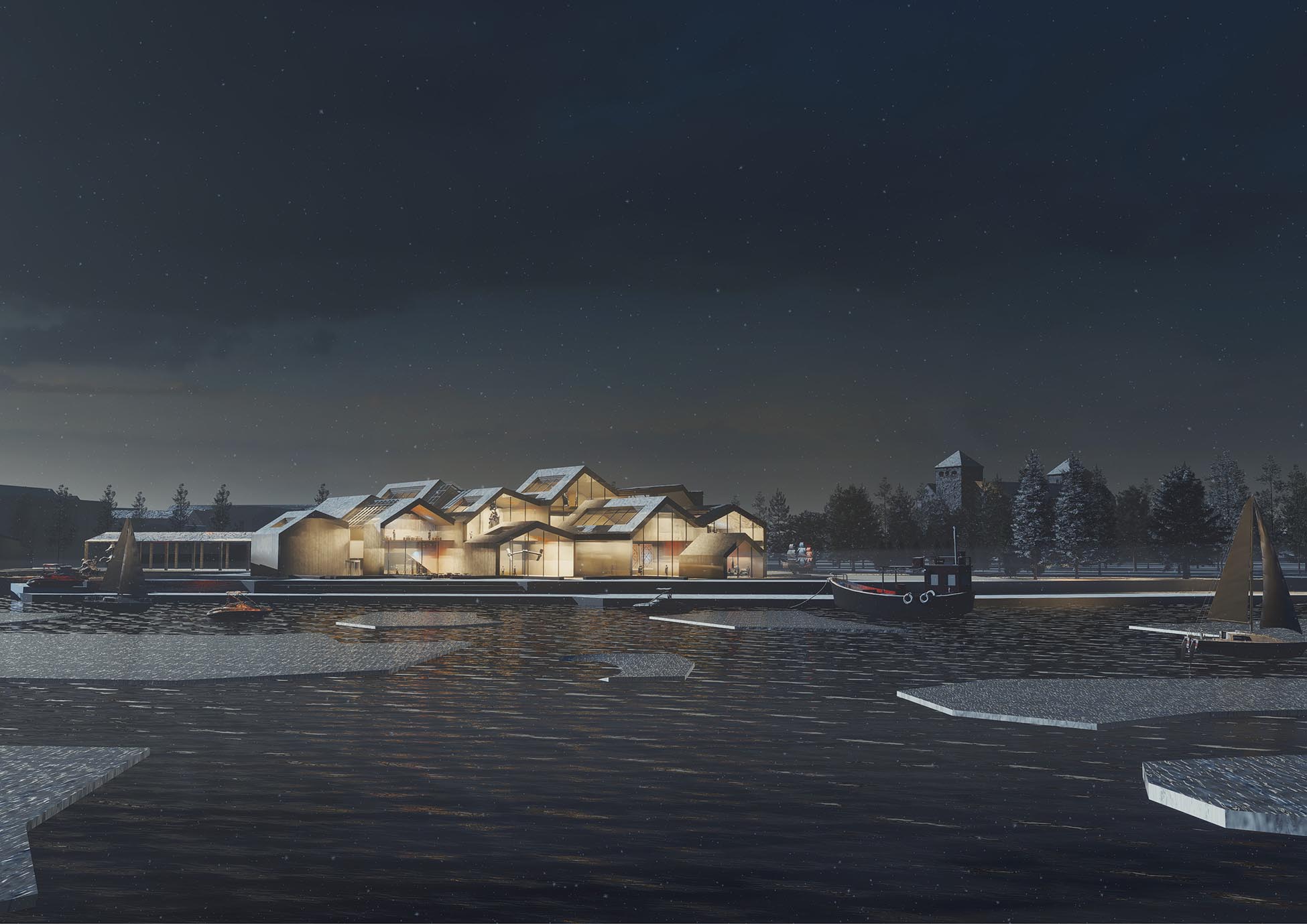
From the urban scale down to the level of detail, the Museum of History and the Future embodies connectivity, adaptability, and modularity—reflecting the character of things to come.
Connectivity – The Future Depends on the Past
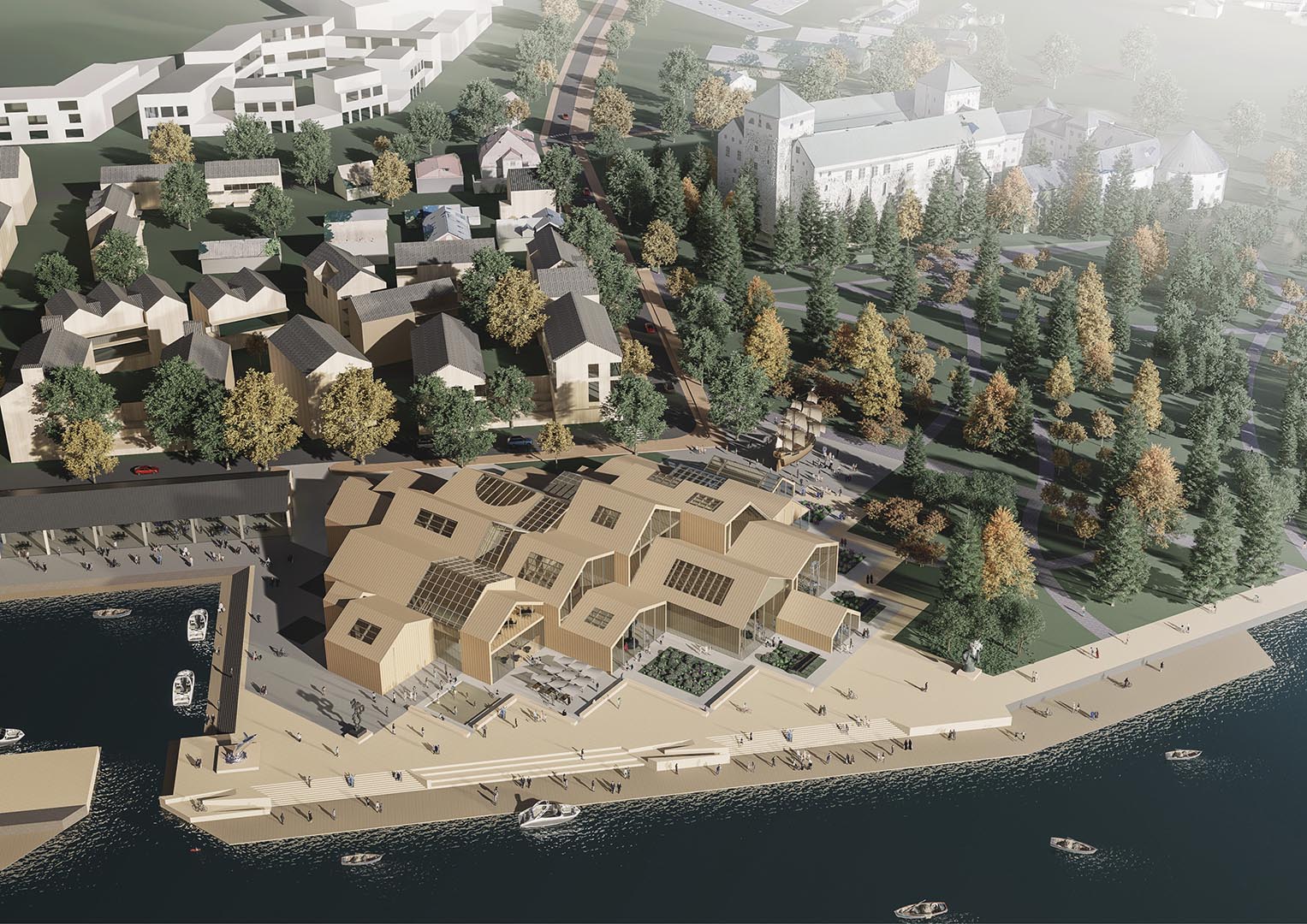
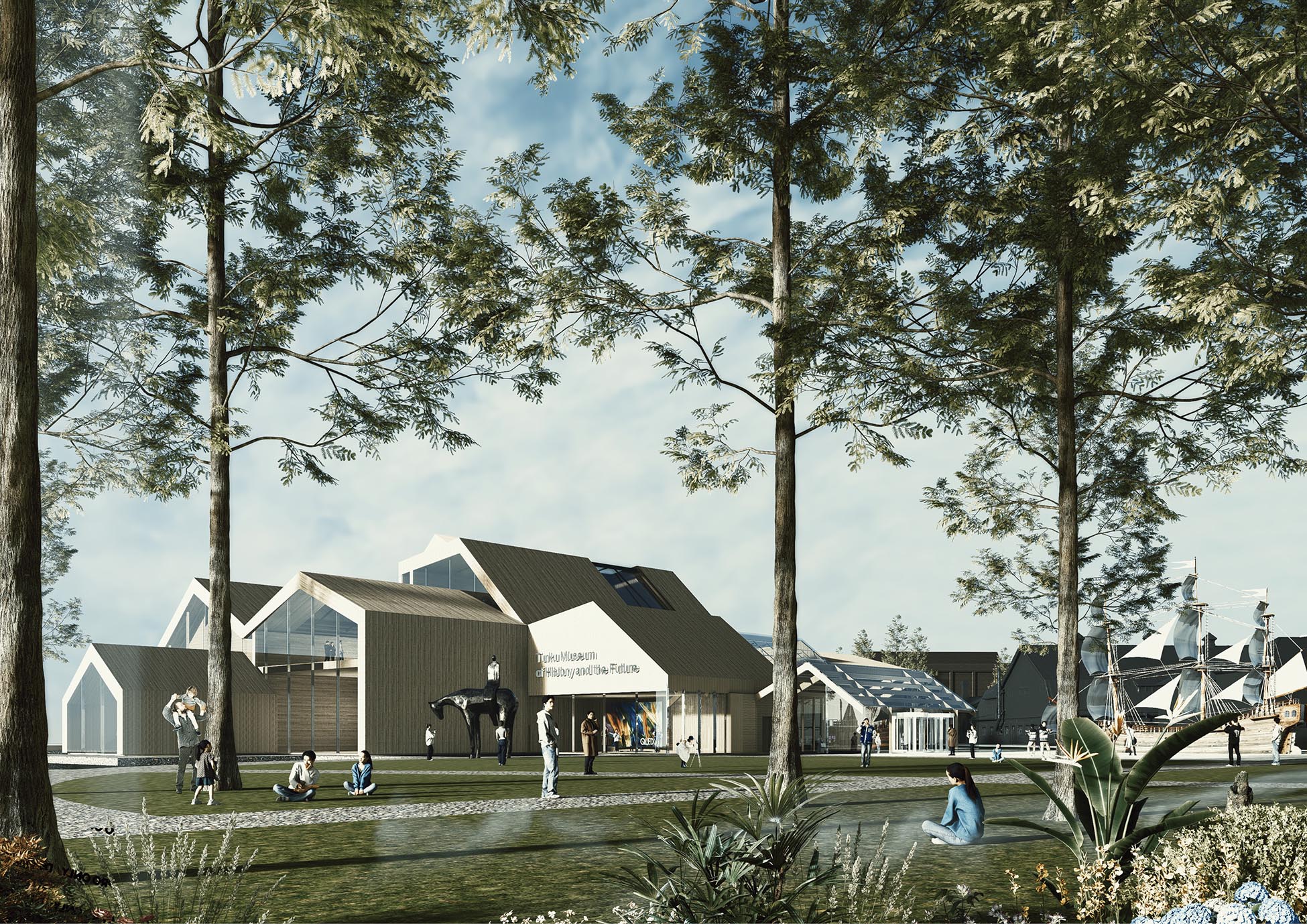
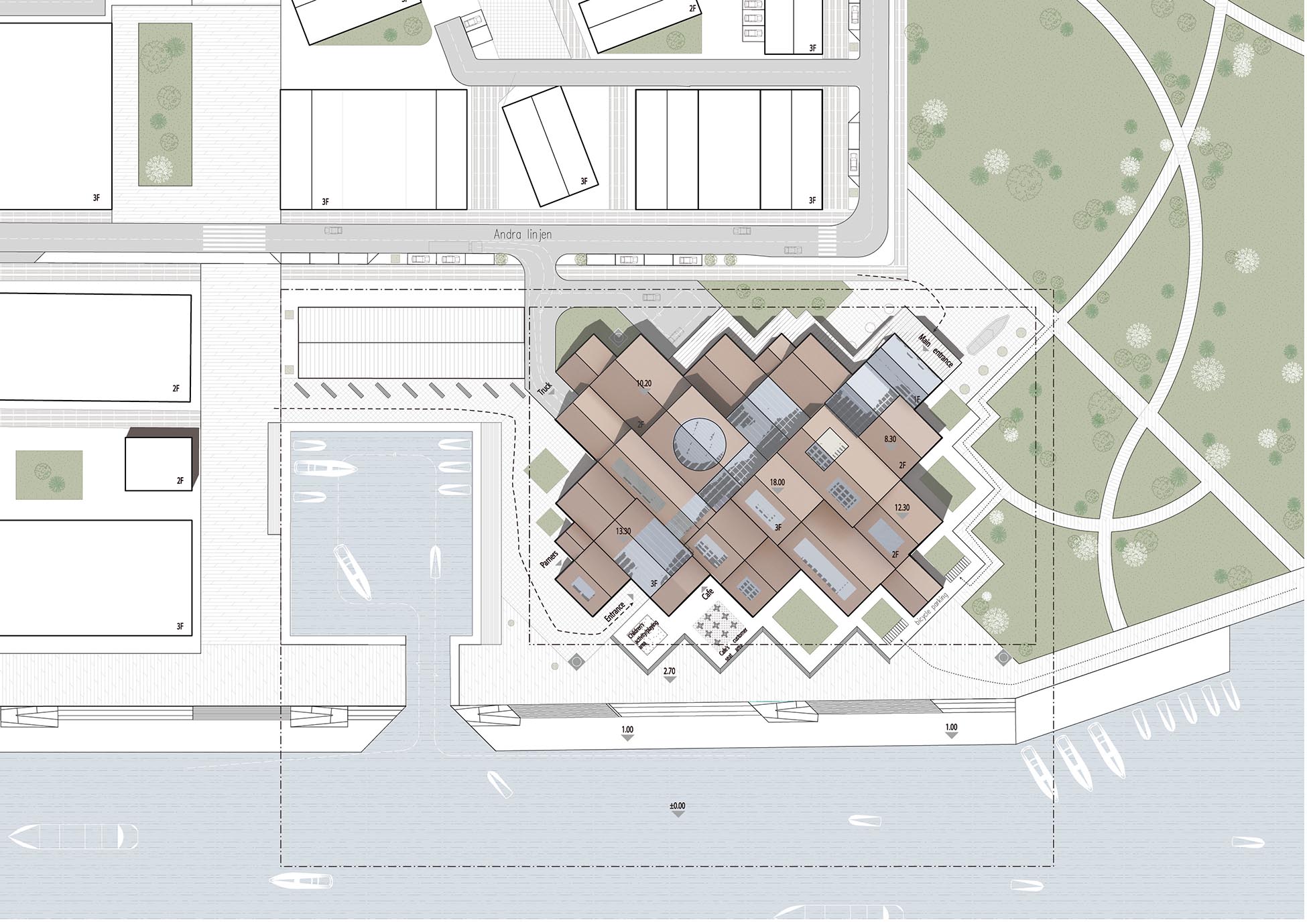
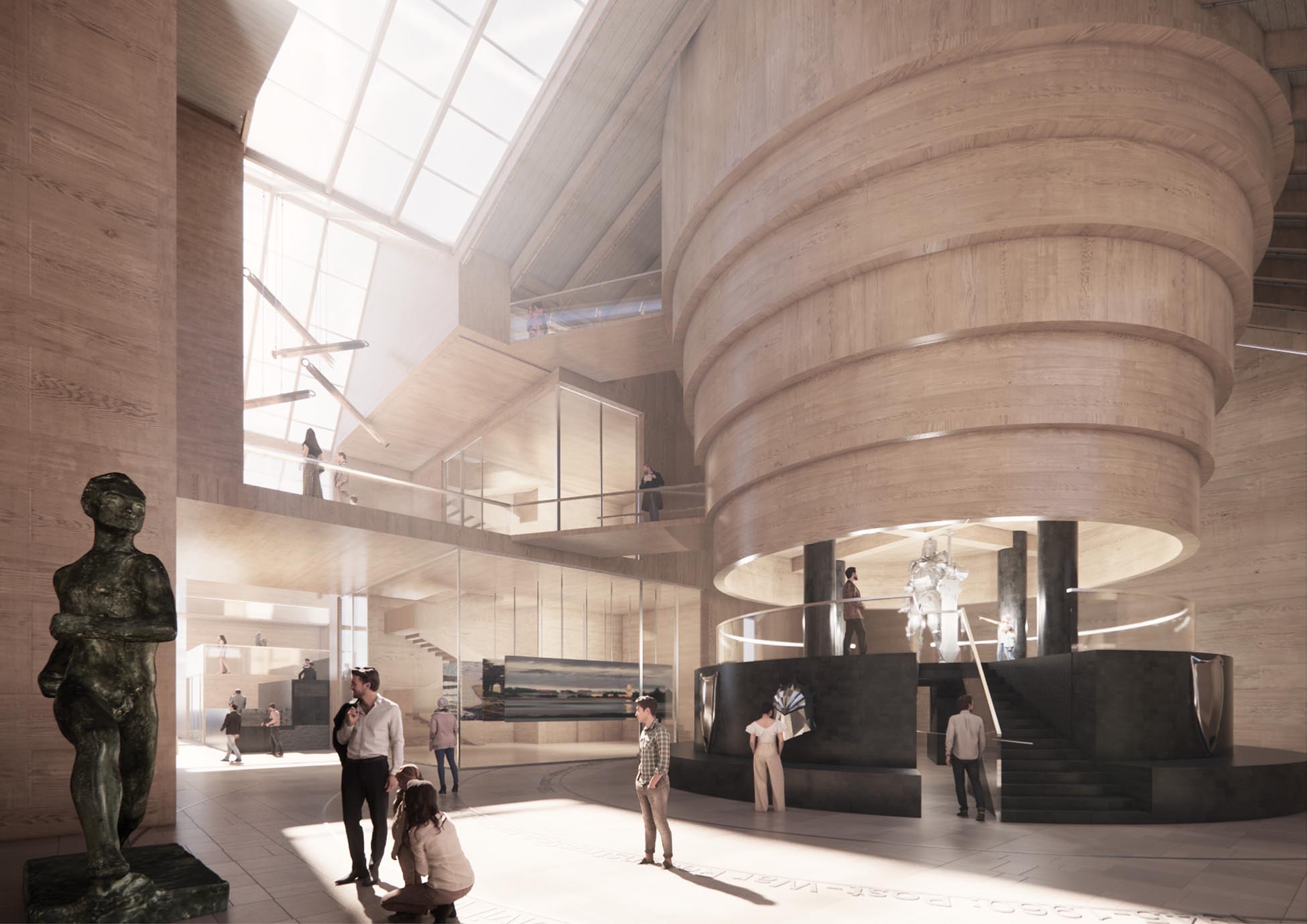
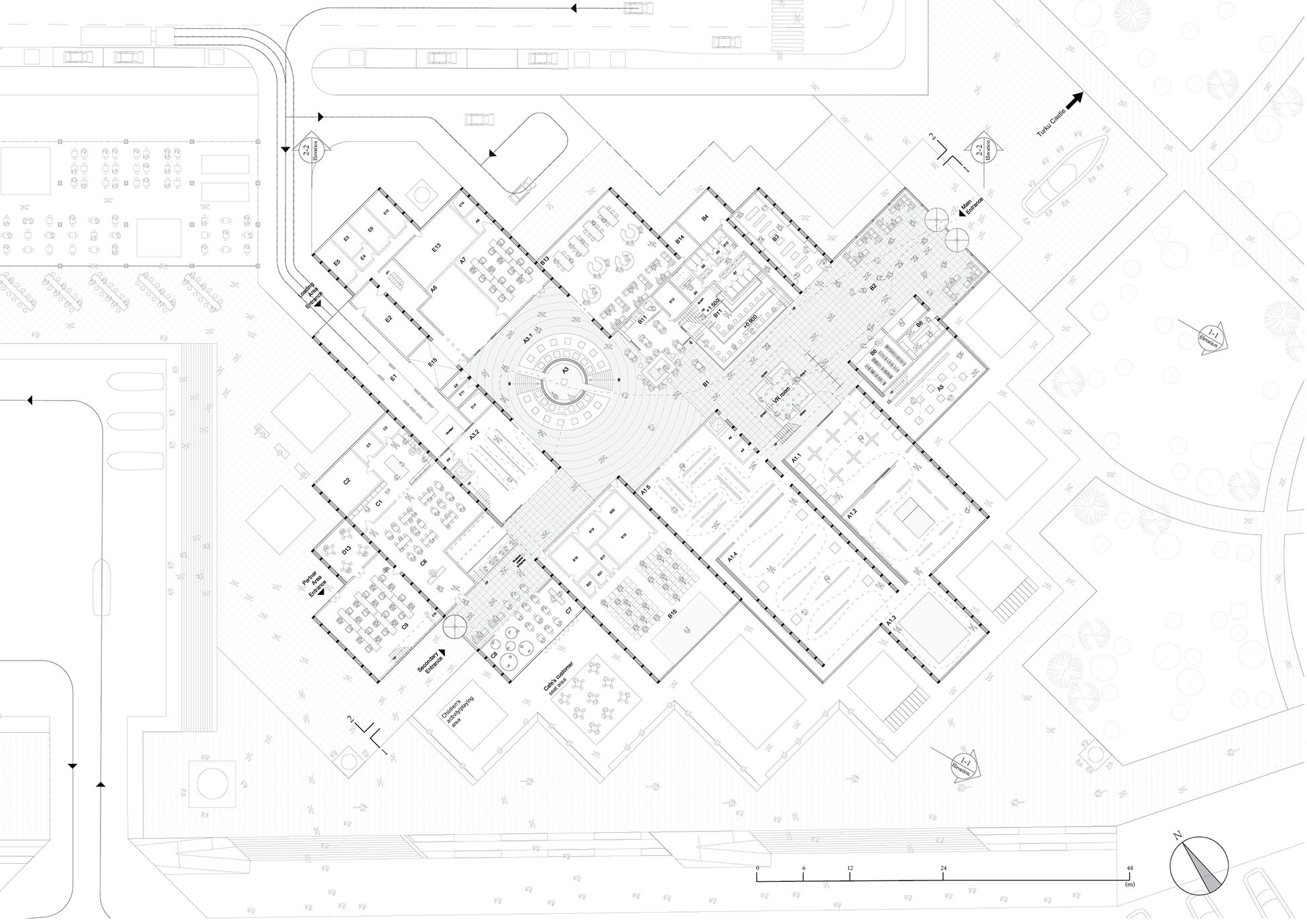
The museum, together with its passageway, creates a dynamic interplay between the social life of the street and the museum’s exhibitions. It serves not only as a public hub but also as the heart of the Linnanniemi district. The passage merges with the surrounding open spaces, linking various public domains and drawing together flows of people. It establishes strong connections with neighboring event venues, including the new Turku Park, the new terminal building, the historic Turku Castle, and the Maritime Centre.
Adaptability – The Future Must Be Social
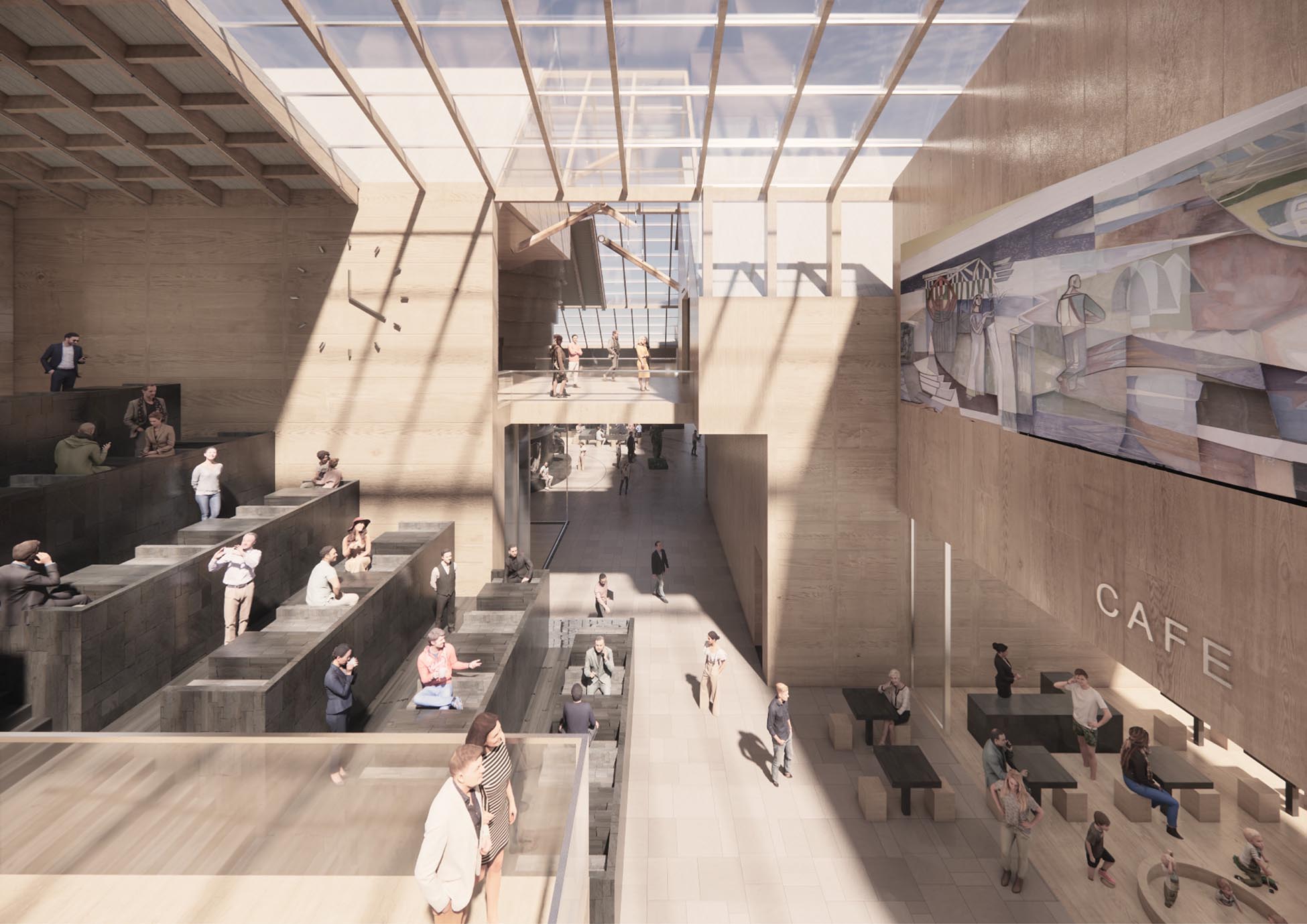
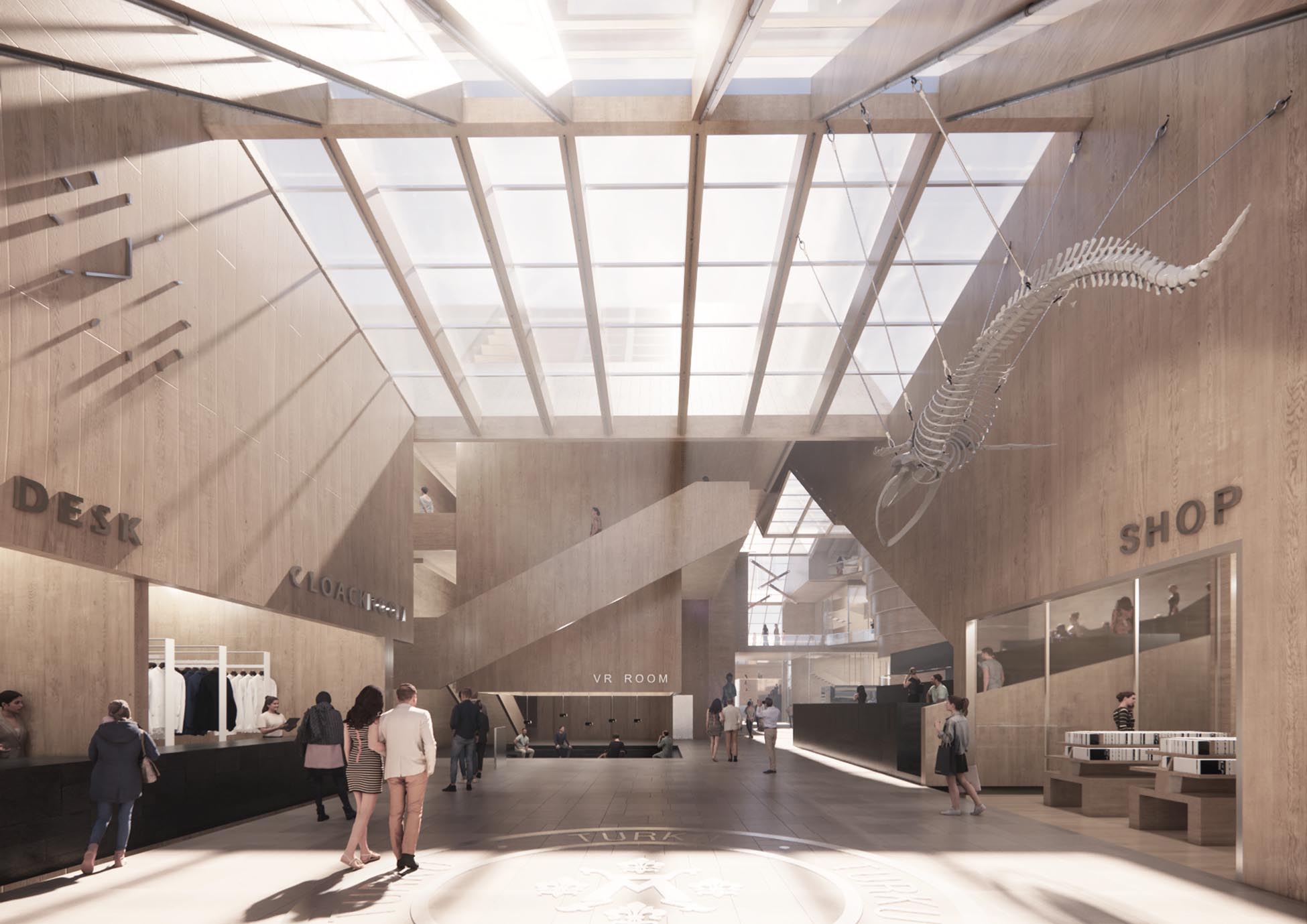
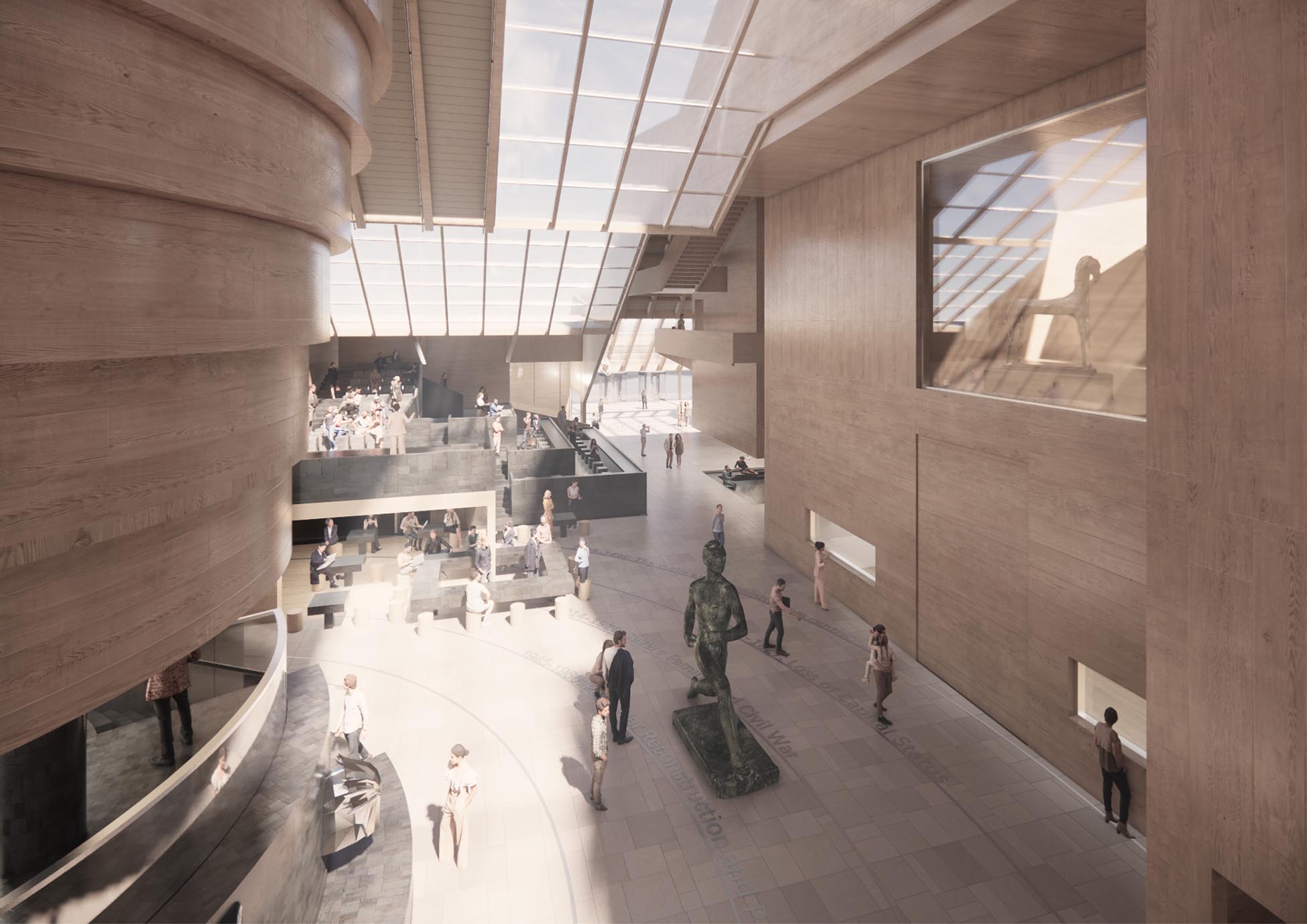
The passage space is designed with adaptability in mind, accommodating a range of public programs that meet museum needs while also creating a platform for social events such as the Ruisrock Festival, Sea Jazz Festival, Paavo Nurmi Marathon, and the Food & Wine Fair. Part of the temporary exhibition hall can be opened to the public free of charge, hosting programs tied to these events. The restaurant, café, bookstore, and children’s play area can all be tailored to the city’s needs. Rather than standing as an isolated object, the museum becomes a vibrant center of social activity around the clock. During the six-month winter season, the interior of the passage accommodates evening events, offering two distinct expressions corresponding to summer and winter conditions. At the same time, the passage serves as a compelling prelude to Turku’s history, guiding visitors chronologically through exhibits that trace the city’s development from prehistoric cultures.
Modularity – The Future Must Be Sustainable
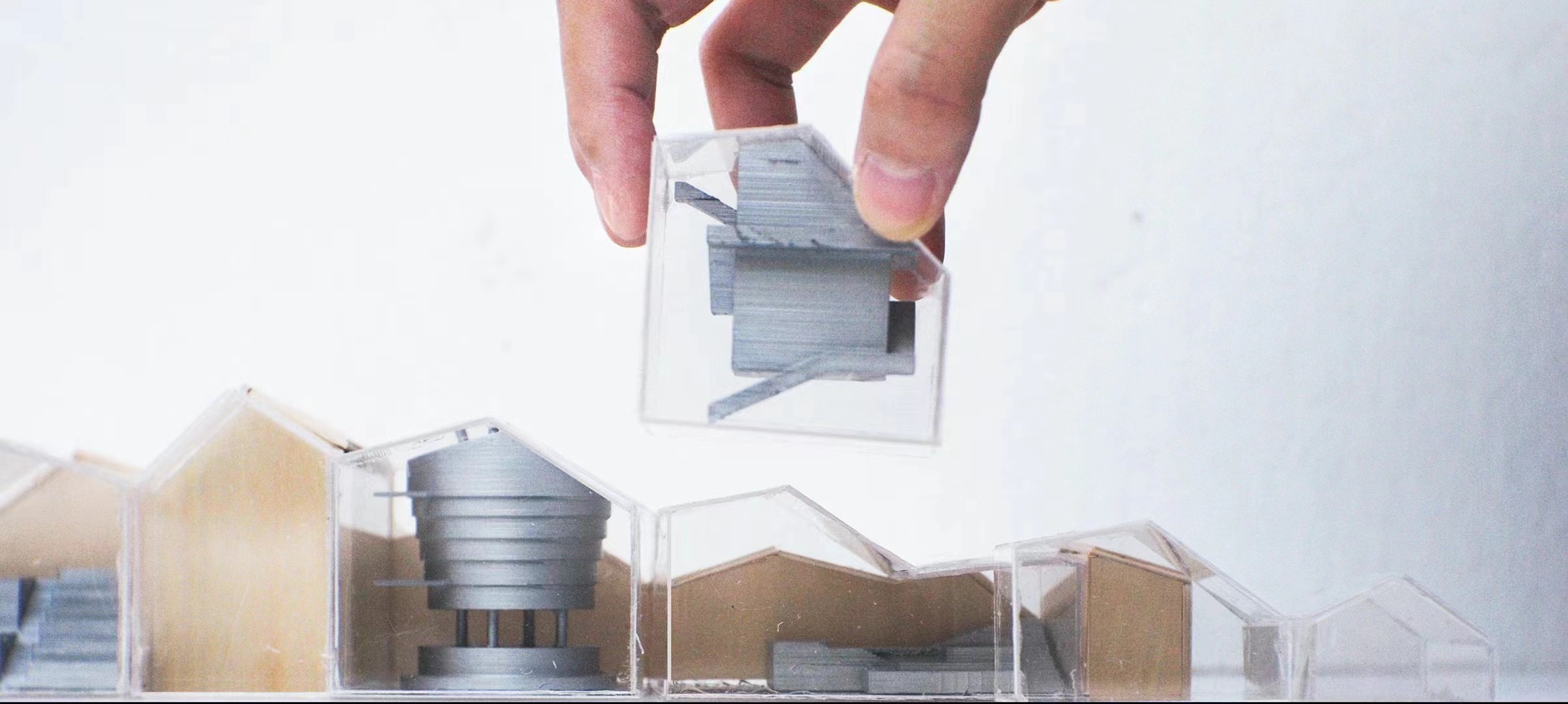
The museum’s architectural volume is composed of small-scale spans built with a wooden structure. Using a Cross-Laminated Timber (CLT) system, each sloping module can be replaced with units of varying dimensions to meet the museum’s future requirements. Meanwhile, materials that are replaced can be reprocessed and reused. The new modular program will be designed to…