
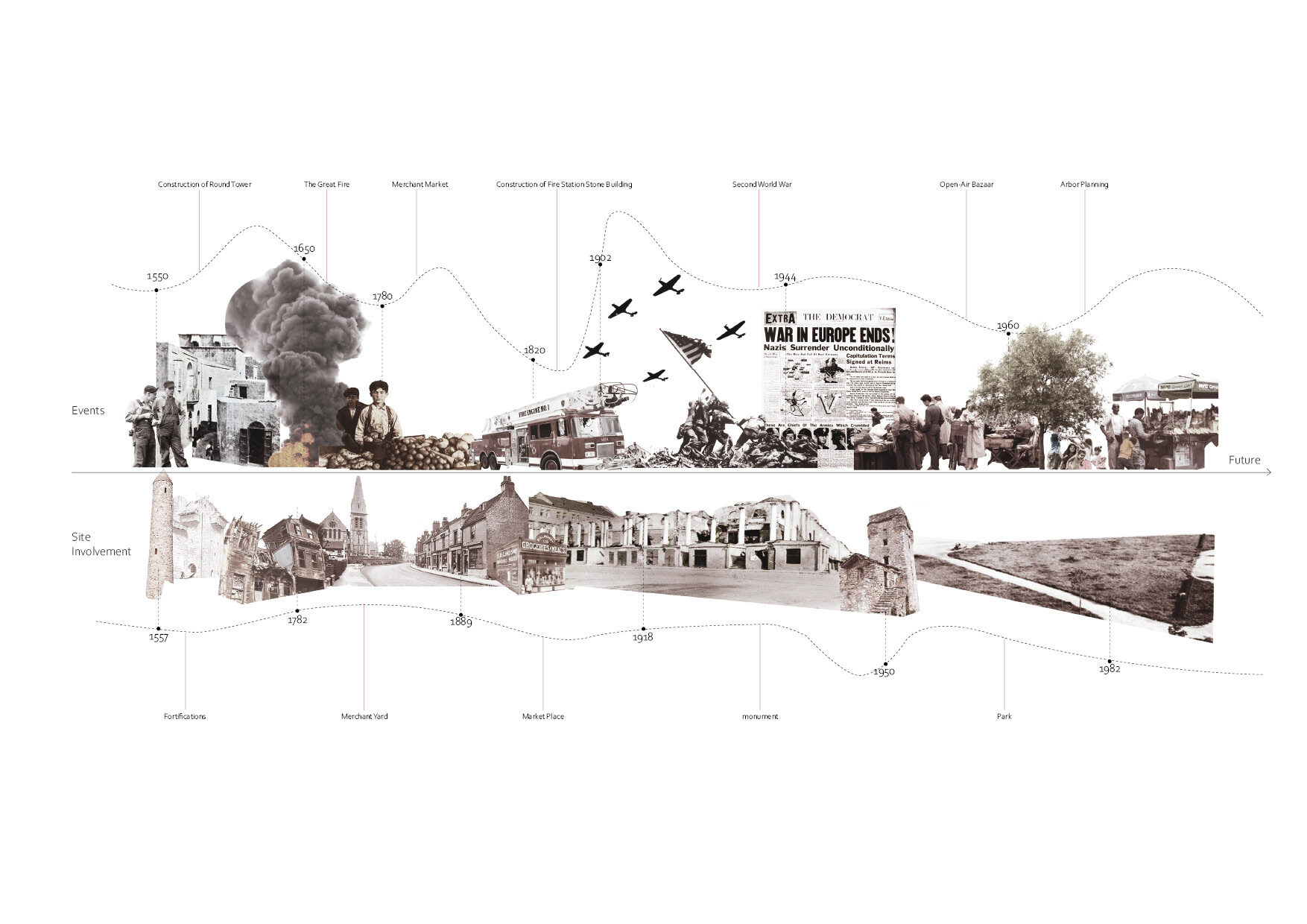
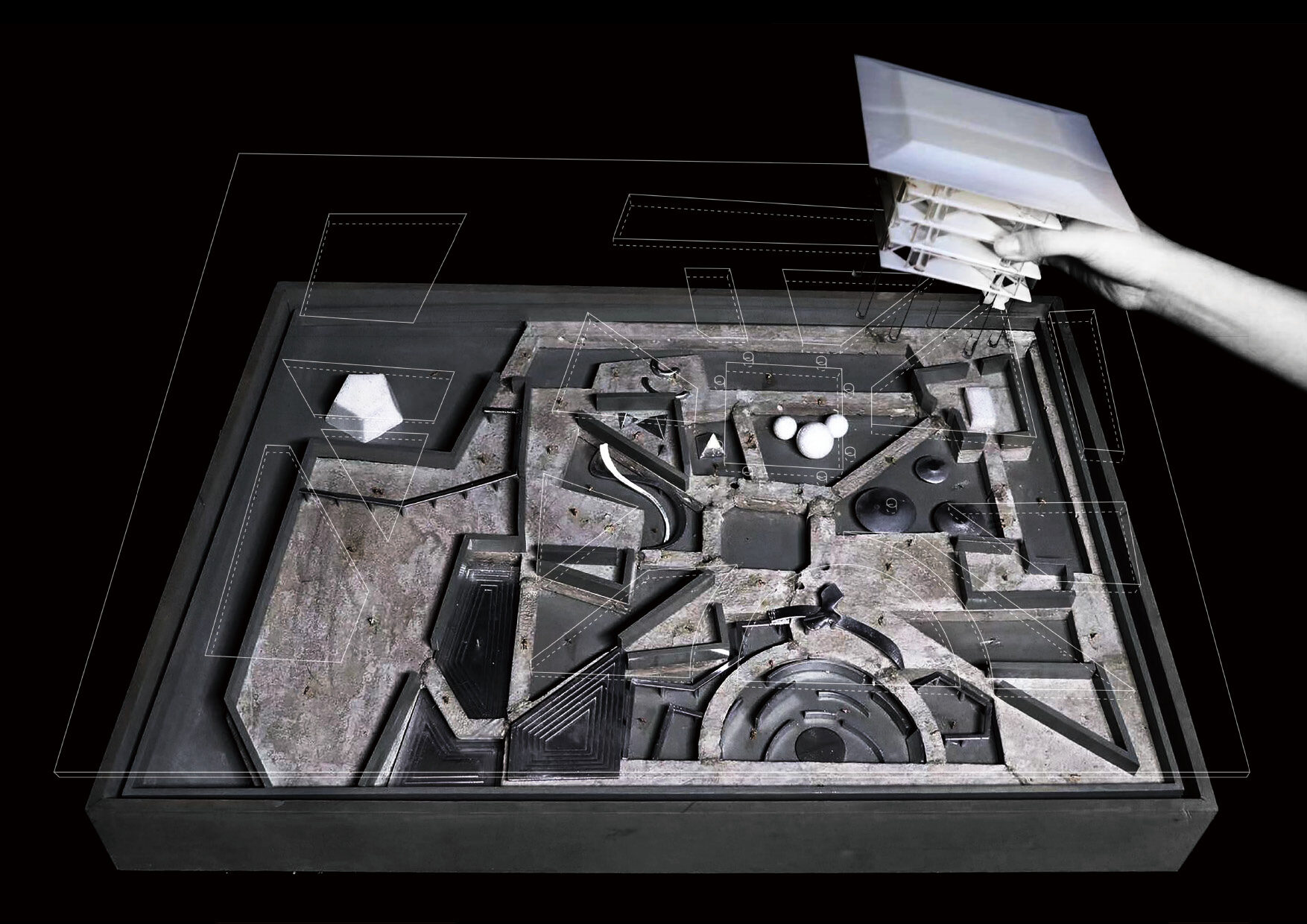
Guided by the principle that true sustainability lies in a delicate equilibrium—a balance between honoring the past, serving the present, and protecting the future—we sought to create a design that allows history to breathe again within the daily rhythm of urban life. In this spirit, we propose not a static preservation but a dynamic reintroduction: allowing historical consciousness to rise, bloom, fade, and re-emerge much like the natural cycles that govern the surrounding landscape. This approach infuses the historical narrative with renewed relevance and vitality, transforming it from a relic into a living, evolving participant in the life of the city.
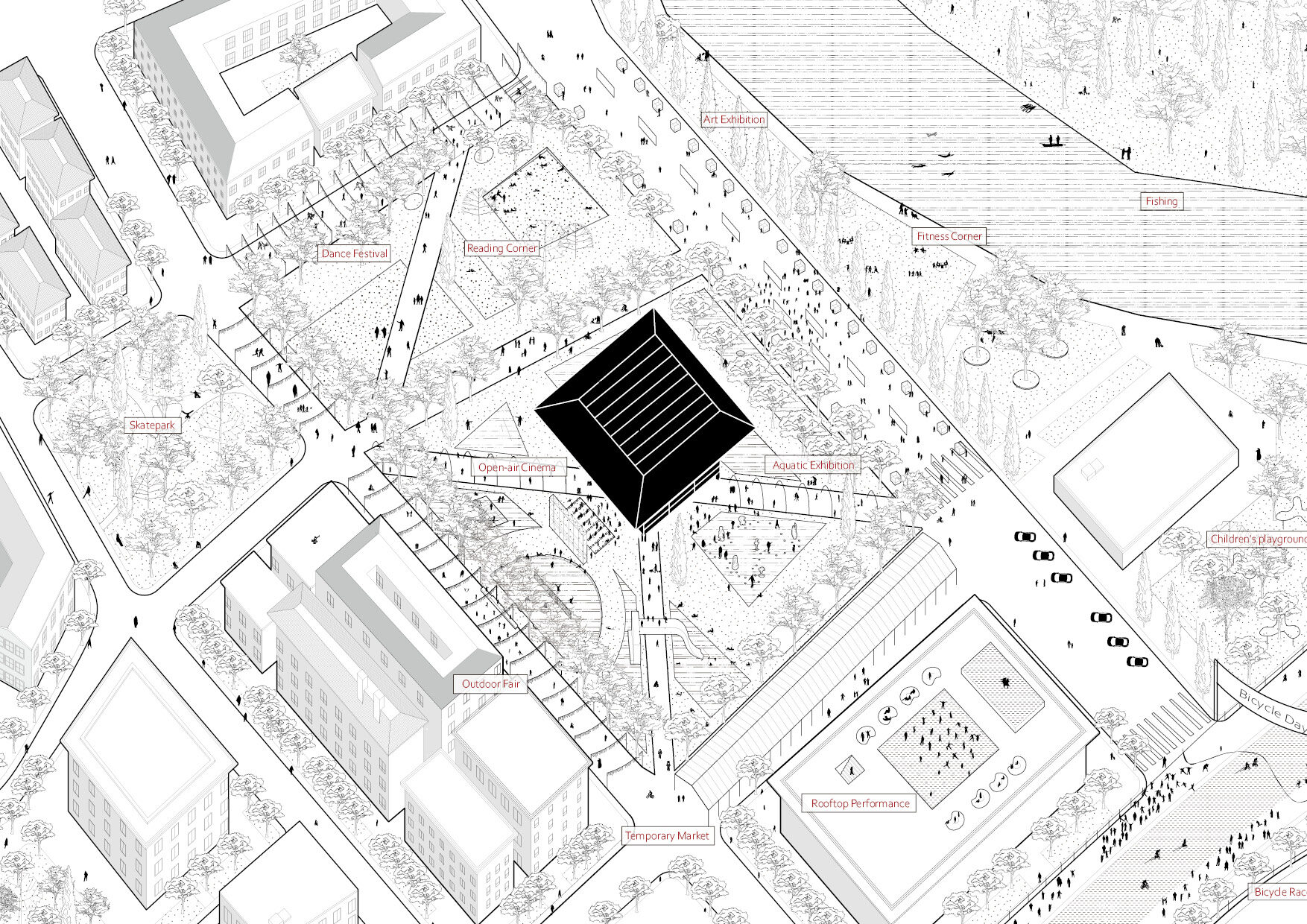
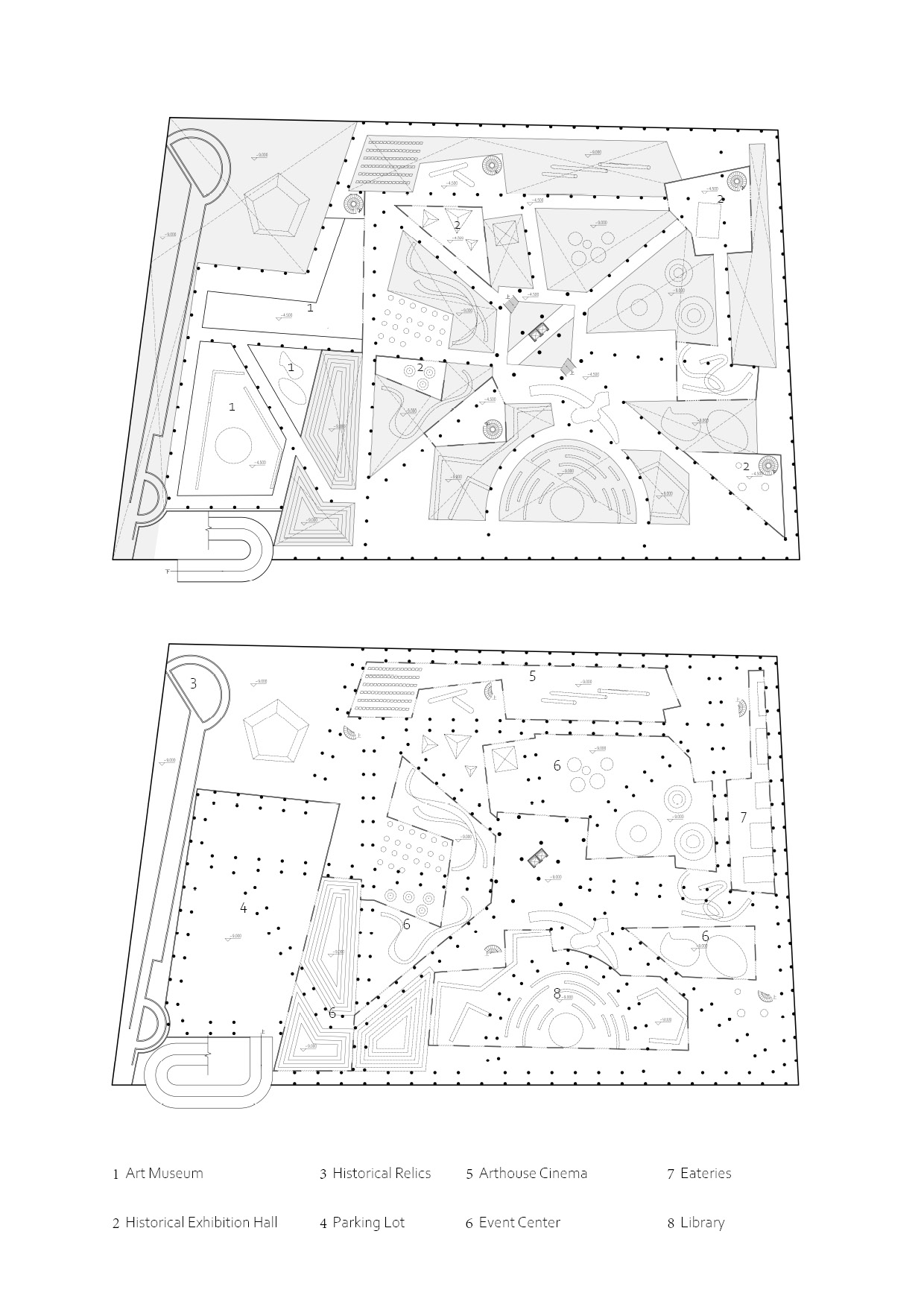
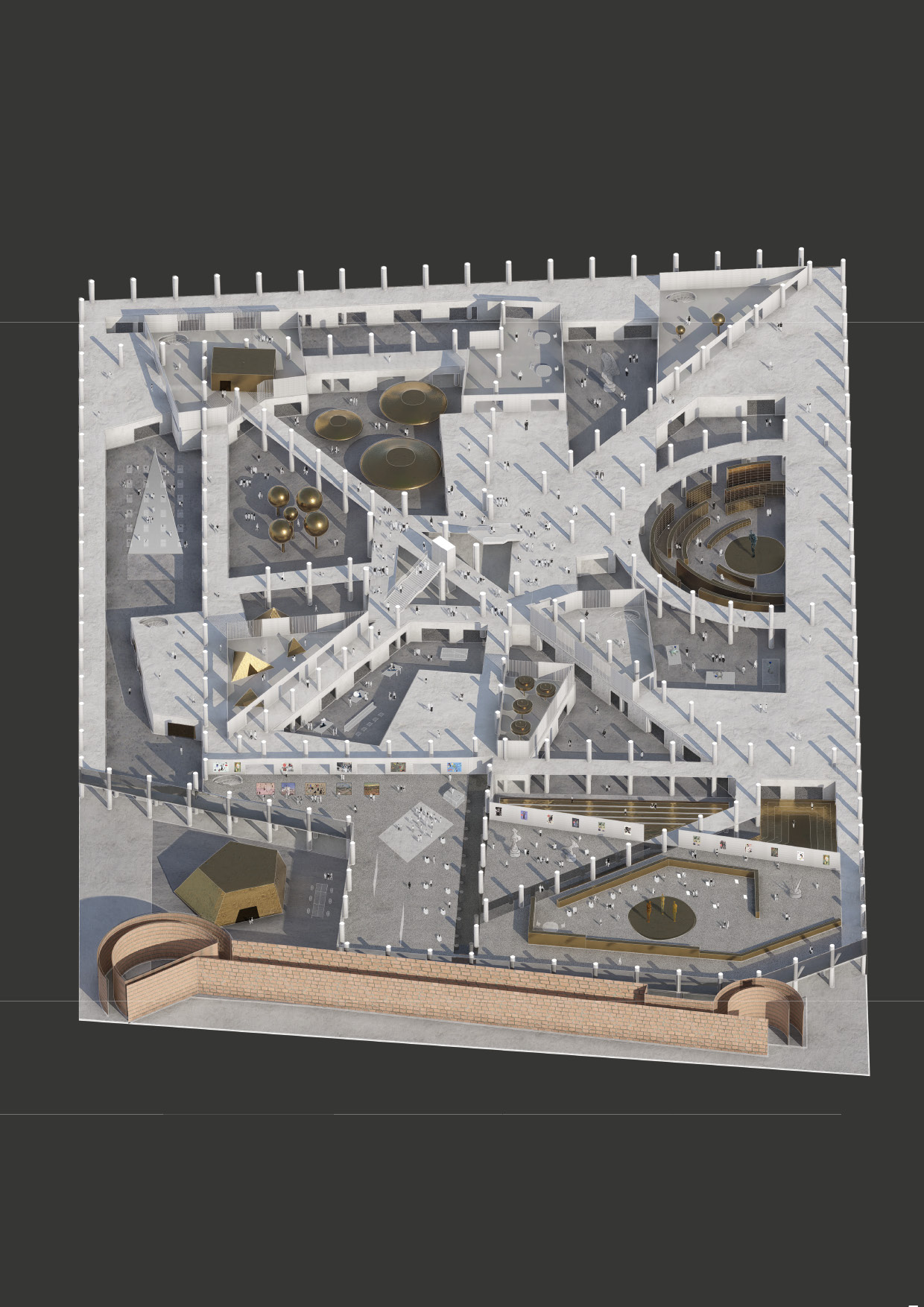
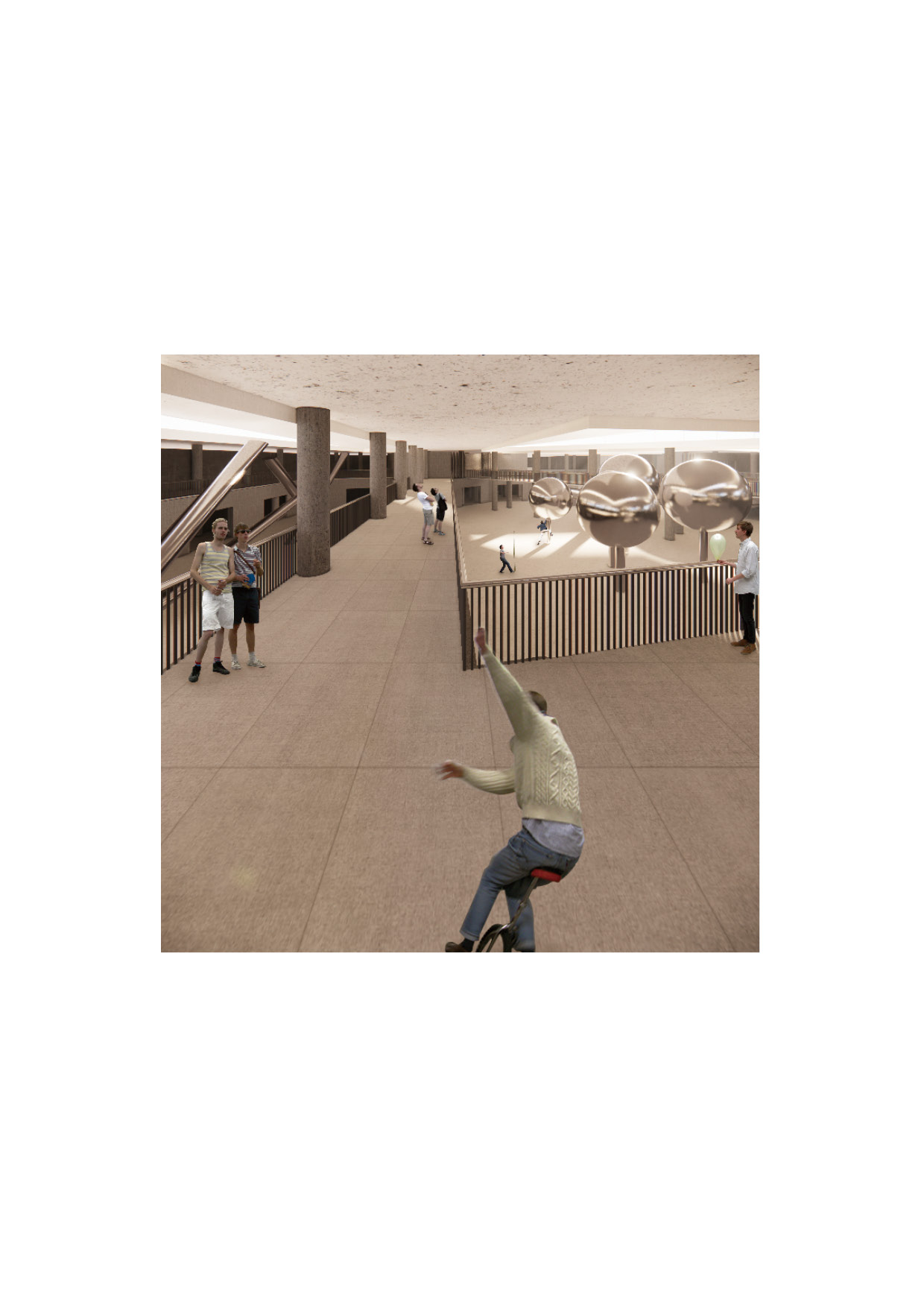
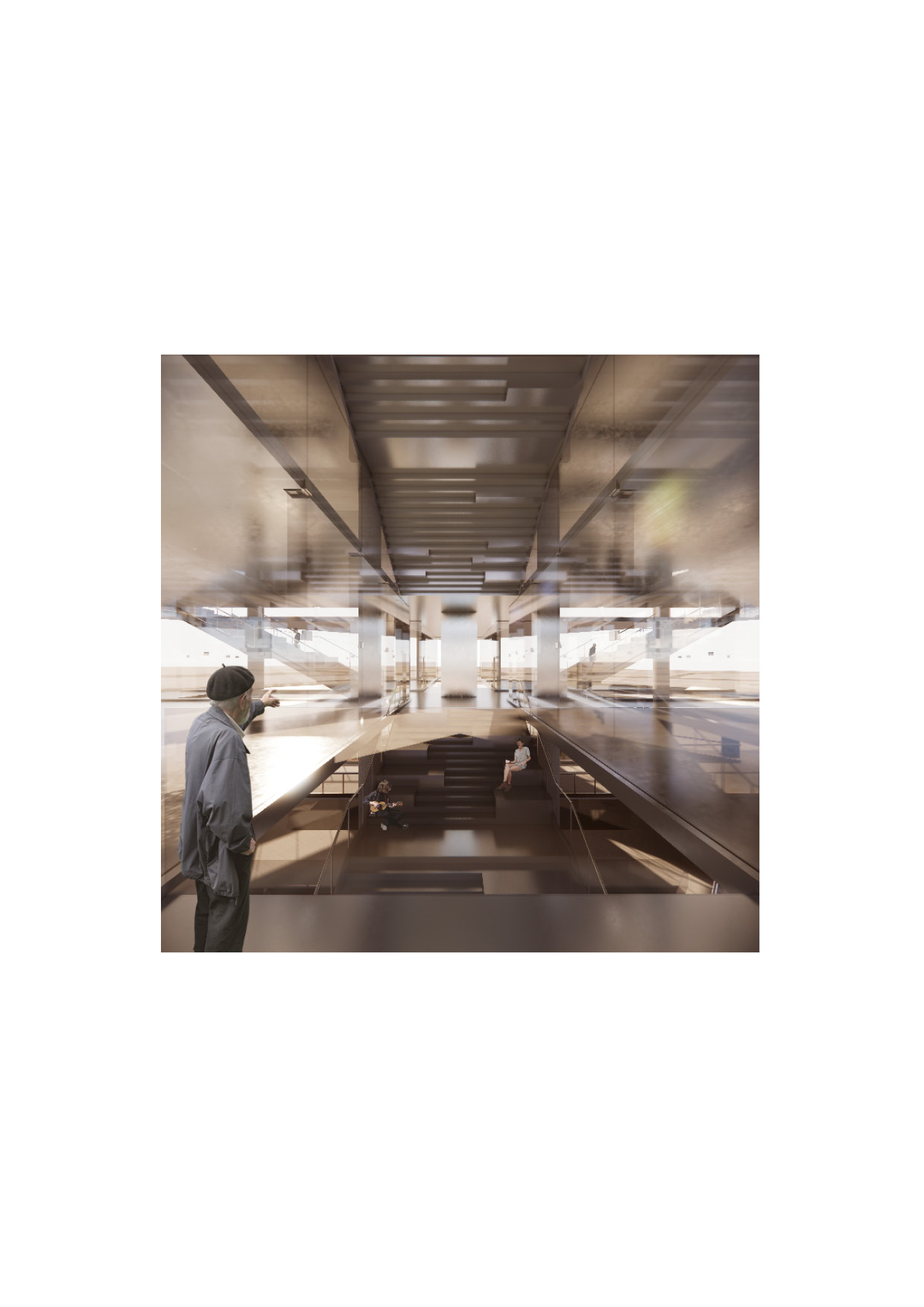
The design is conceived as a subtle and sophisticated interweaving of three distinct yet interdependent site layers: the archaeological substratum with its fragile remnants and echoes of former lives; the surface-level circulation patterns and essential infrastructure that facilitate modern movement and interaction; and the rich tapestry of natural vegetation that provides ecological and aesthetic depth. These strata engage in a continuous conversation, both above and below the ground, merging to form a unified and cohesive spatial experience. Within this carefully composed environment, history is encountered not behind glass or barriers, but through the course of everyday activities—whether walking along a path that traces an ancient foundation, resting on a bench nestled within reclaimed green space, or witnessing a fragment of the past revealed within the modern urban context. This is where past and present tangibly intersect, each giving meaning to the other.
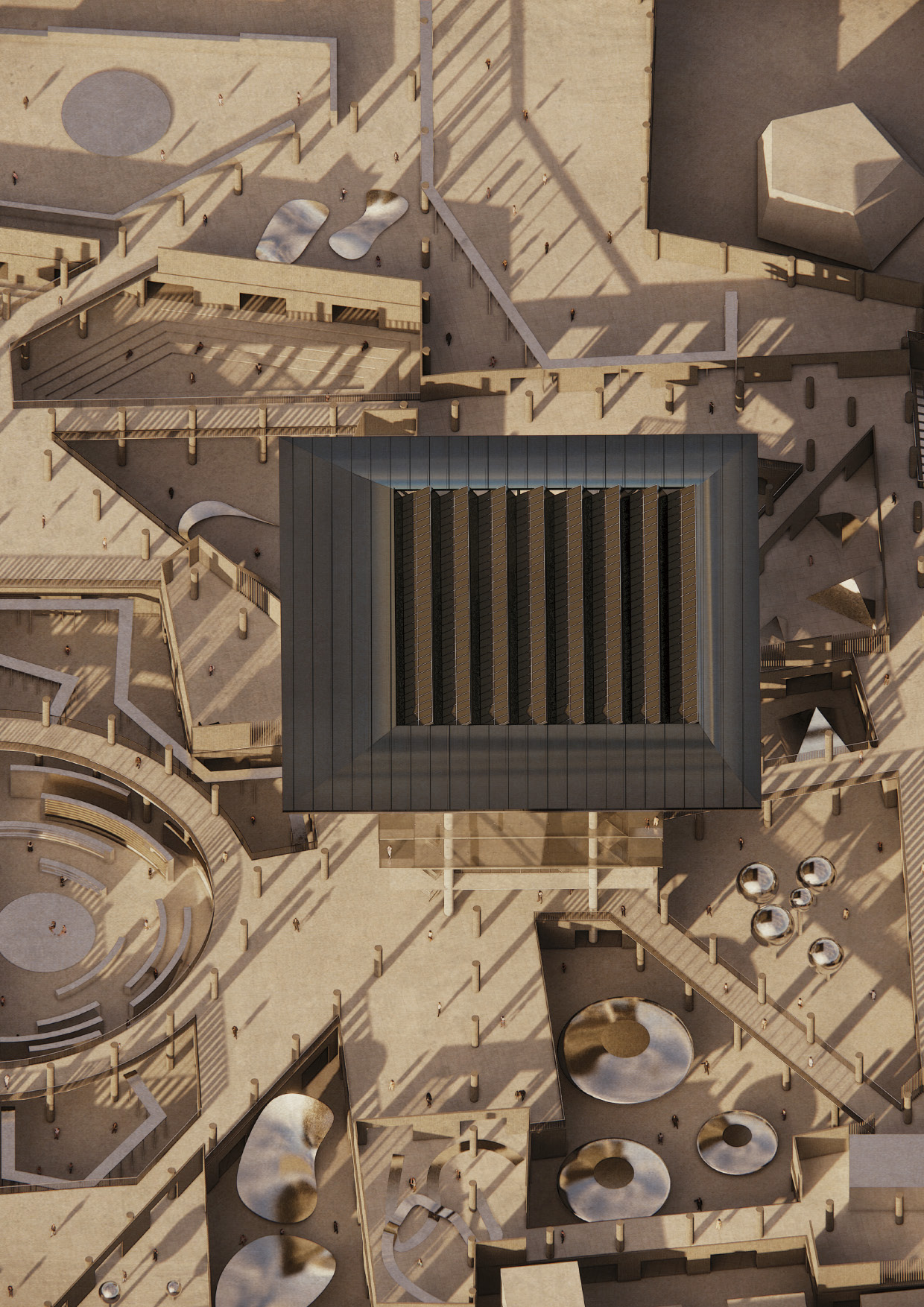
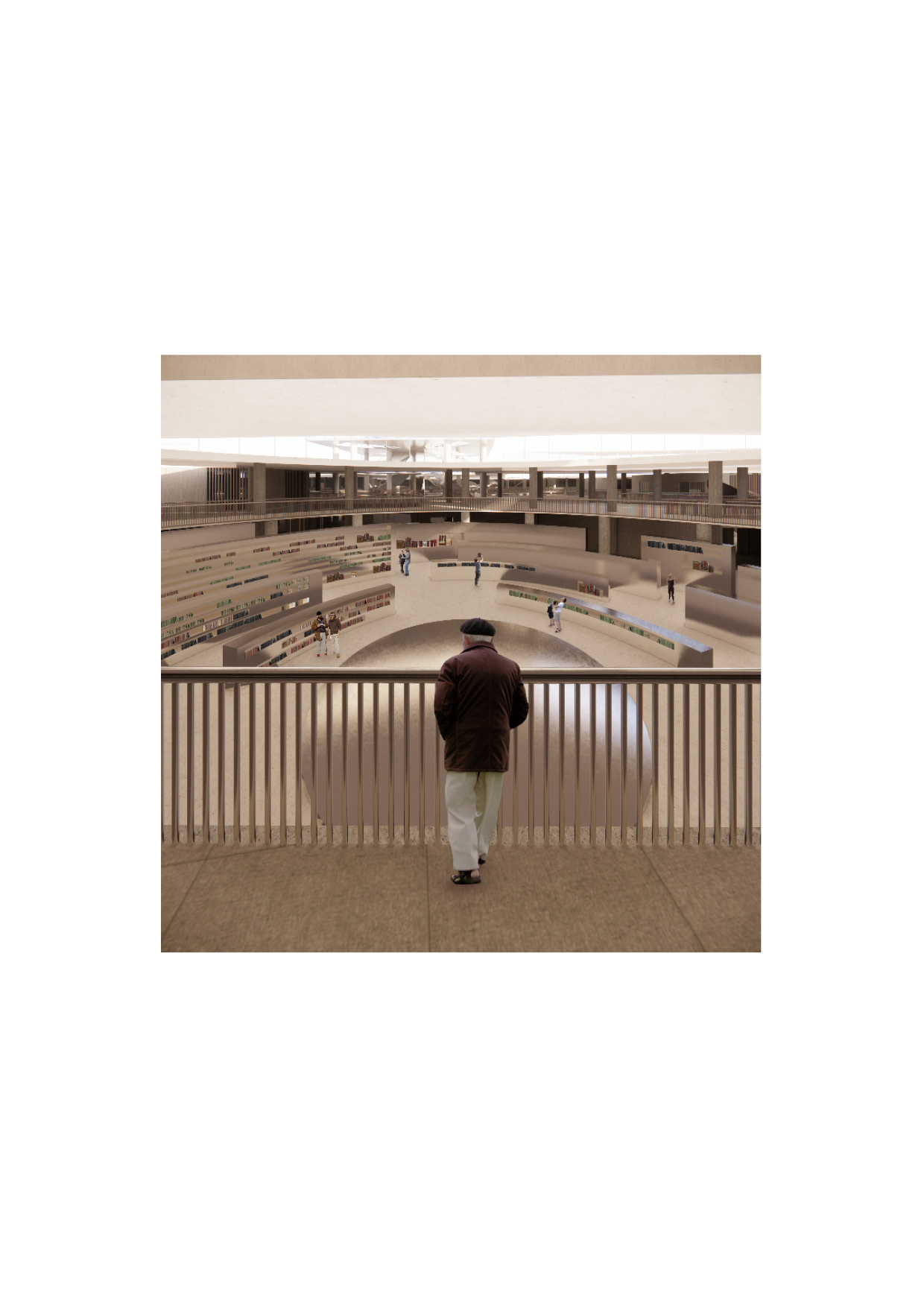
At the heart of this layered landscape, the new central library emerges as both a symbolic and functional anchor for the entire site. Conceptually nourished by the historical strata beneath it, the structure rises gracefully from the ground like a flower ascending from its deep and tangled roots—a testament to how new growth is always fed by what lies below. This seamless dialogue between the subterranean and the surface creates a dynamic and enduring public realm, a place where the community can gather, learn, and reflect. Here, history is not simply preserved as a static record; it is continuously activated, invited into the light of day to spark curiosity and connection. In this way, the legacy of Tartu’s layered past is not only safeguarded but also endowed with renewed life, ensuring that it will continue to inspire and resonate for generations to come.