
Wuhan Library

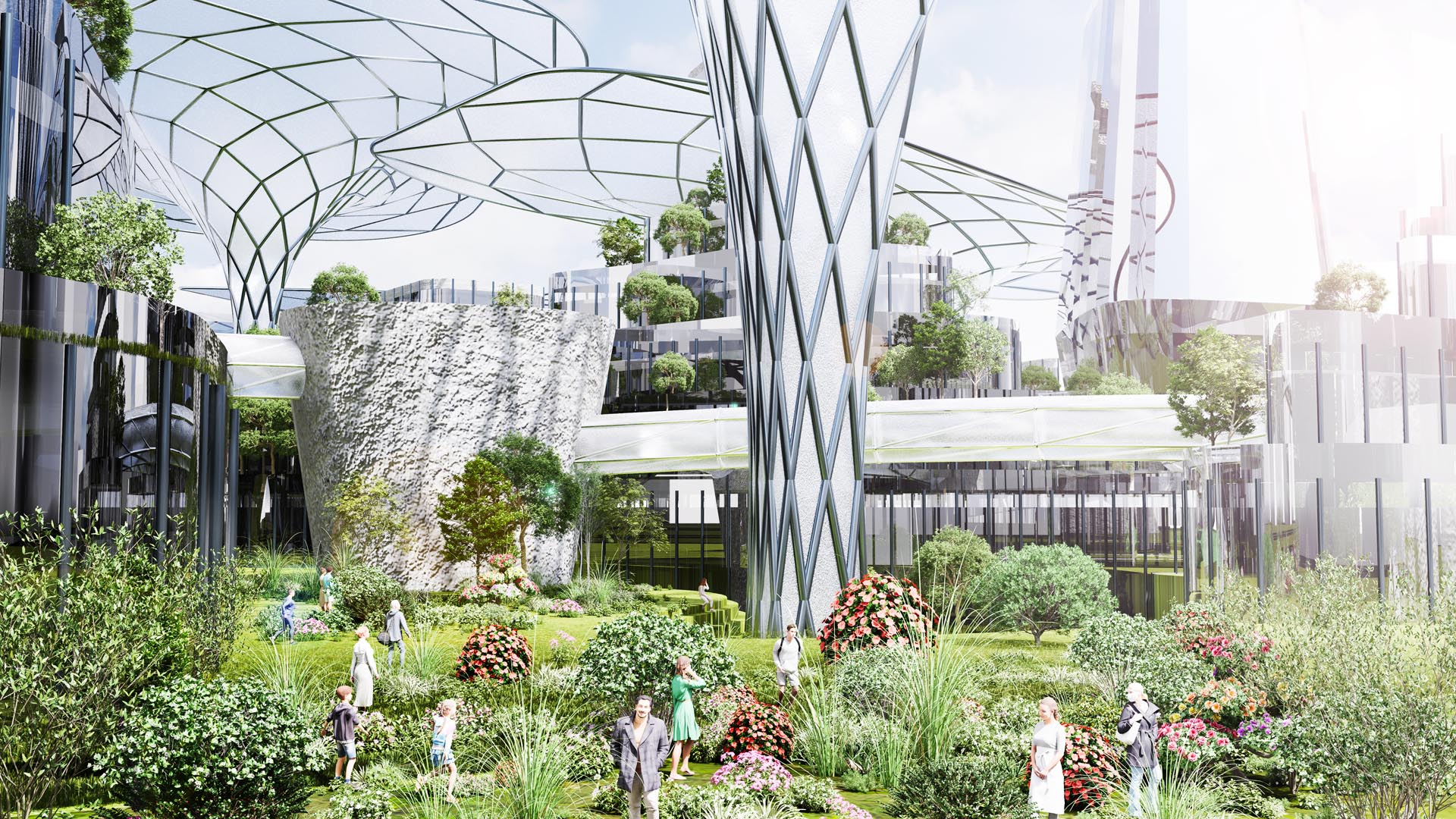
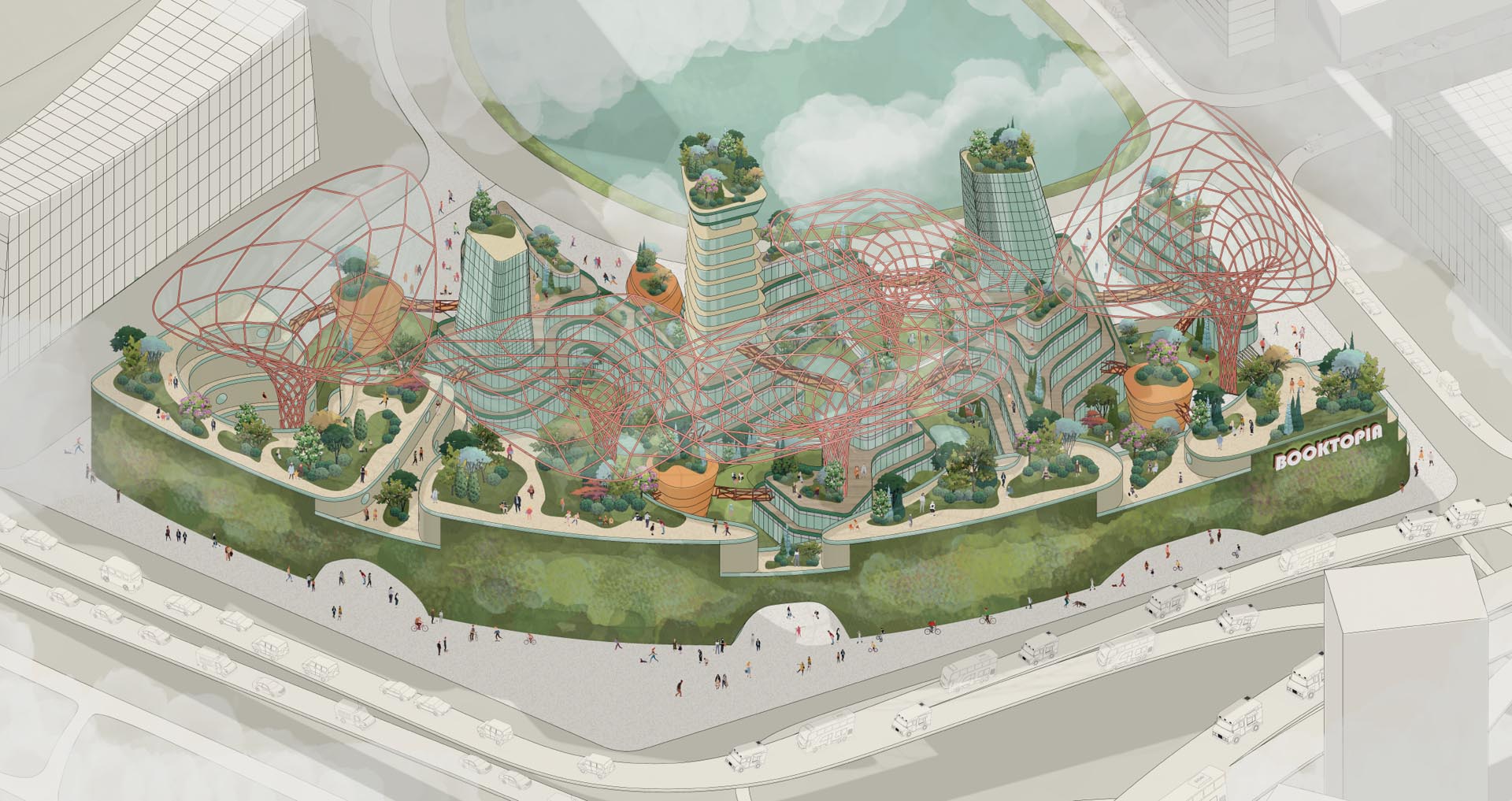
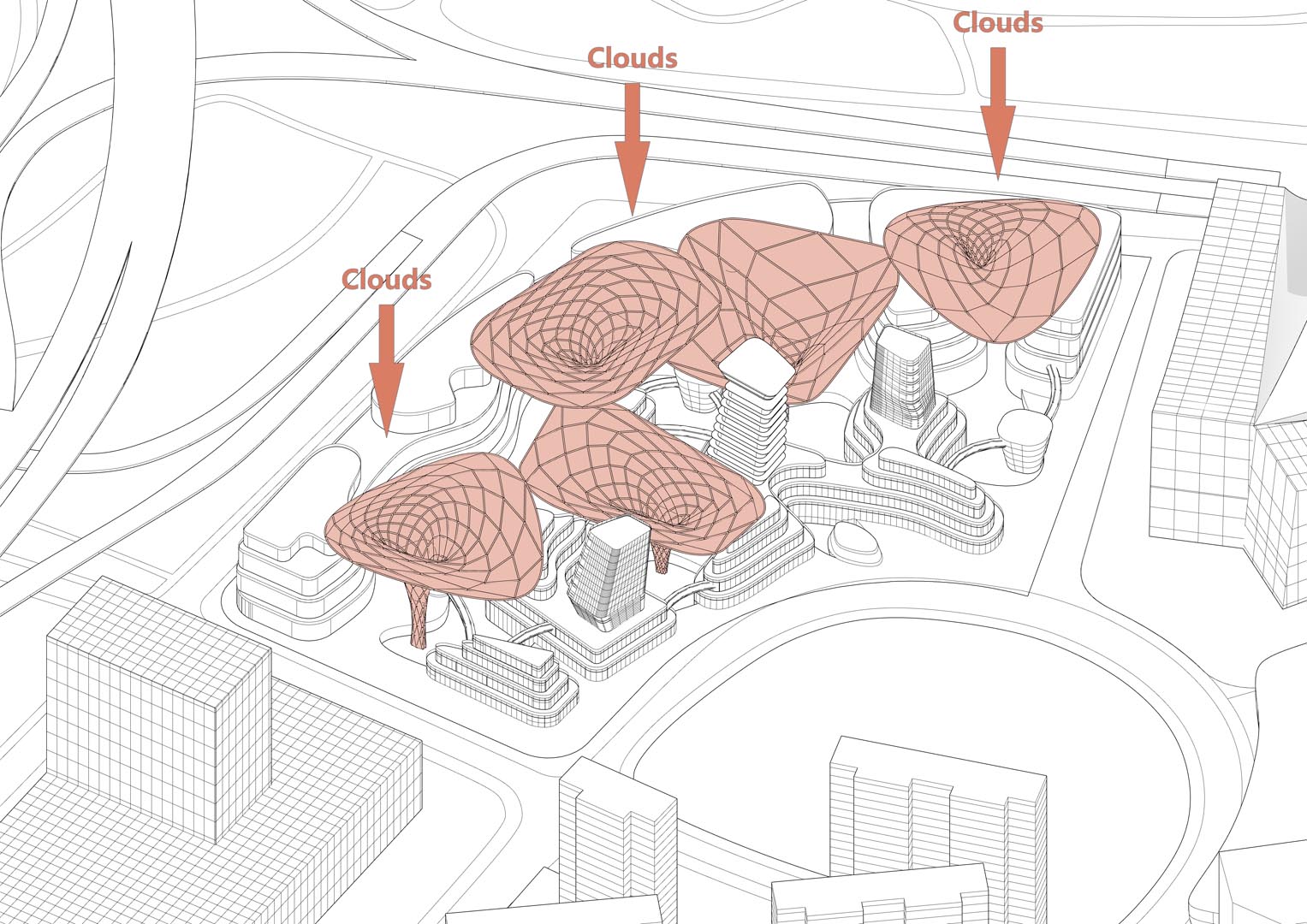
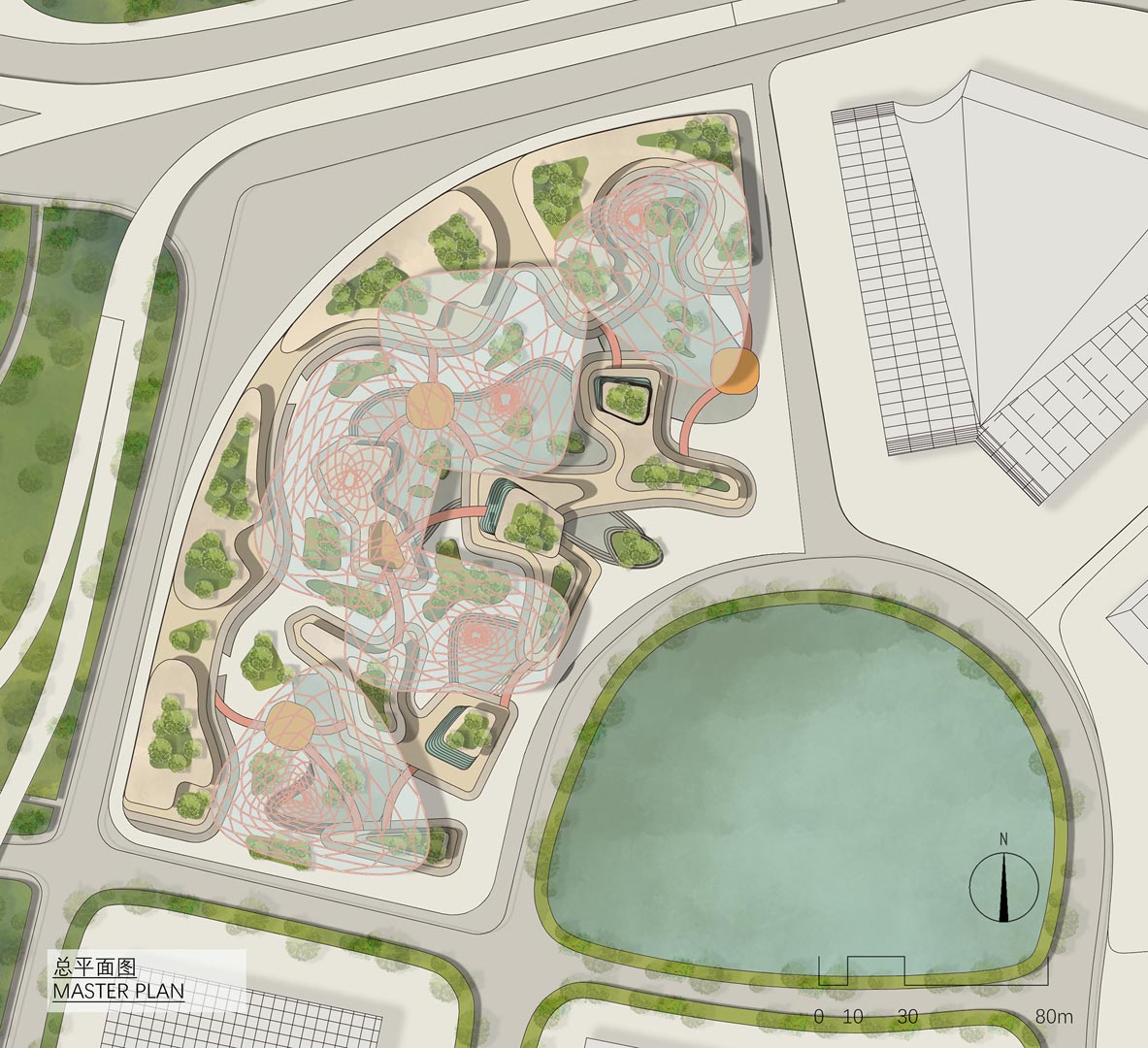
Booktopia is a paradise centered around the acquisition and reception of knowledge, a new type of urban space derived from typological studies of libraries. It can be seen as a natural extension of traditional knowledge environments, merging the city’s intellectual resources with natural landscapes. Books are not only nourishment for the mind—we also expand the forms of knowledge exchange into the entire urban space. Through diverse modes of knowledge dissemination and interactive activities, a multifaceted platform for urban knowledge acquisition takes shape, enabling richer knowledge to reach more people. Ultimately, Booktopia becomes an urban intellectual hub dedicated to the spread of knowledge.

Client

Wuhan Cultural & Tourism Bureau

Type

Architecture

Year

2022

Status

Concept

Size

128400 m²

Location

Wuhan, China

Team

Kai Wang, Bowen Zheng, Yiran Li, Shijia Chen, Wenbin Liu

The mental space begins to shape human social behavior. — Marc Pimlott
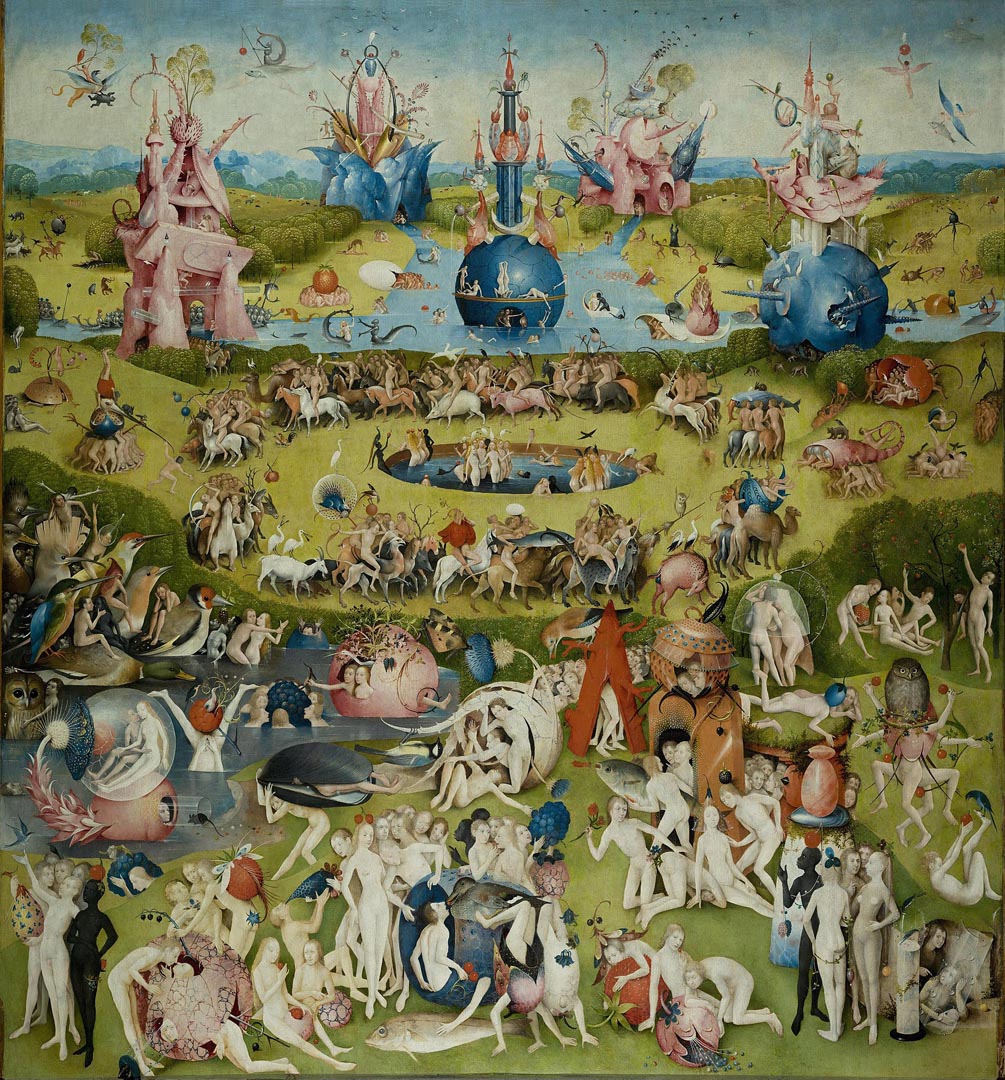
The Garden of Earthly Delights: A piece from the triptych created by the Dutch artist Hieronymus Bosch at the age of forty, depicting the fantastical landscape of an expansive earthly paradise, where utopian life activities are immersed in wild nature.

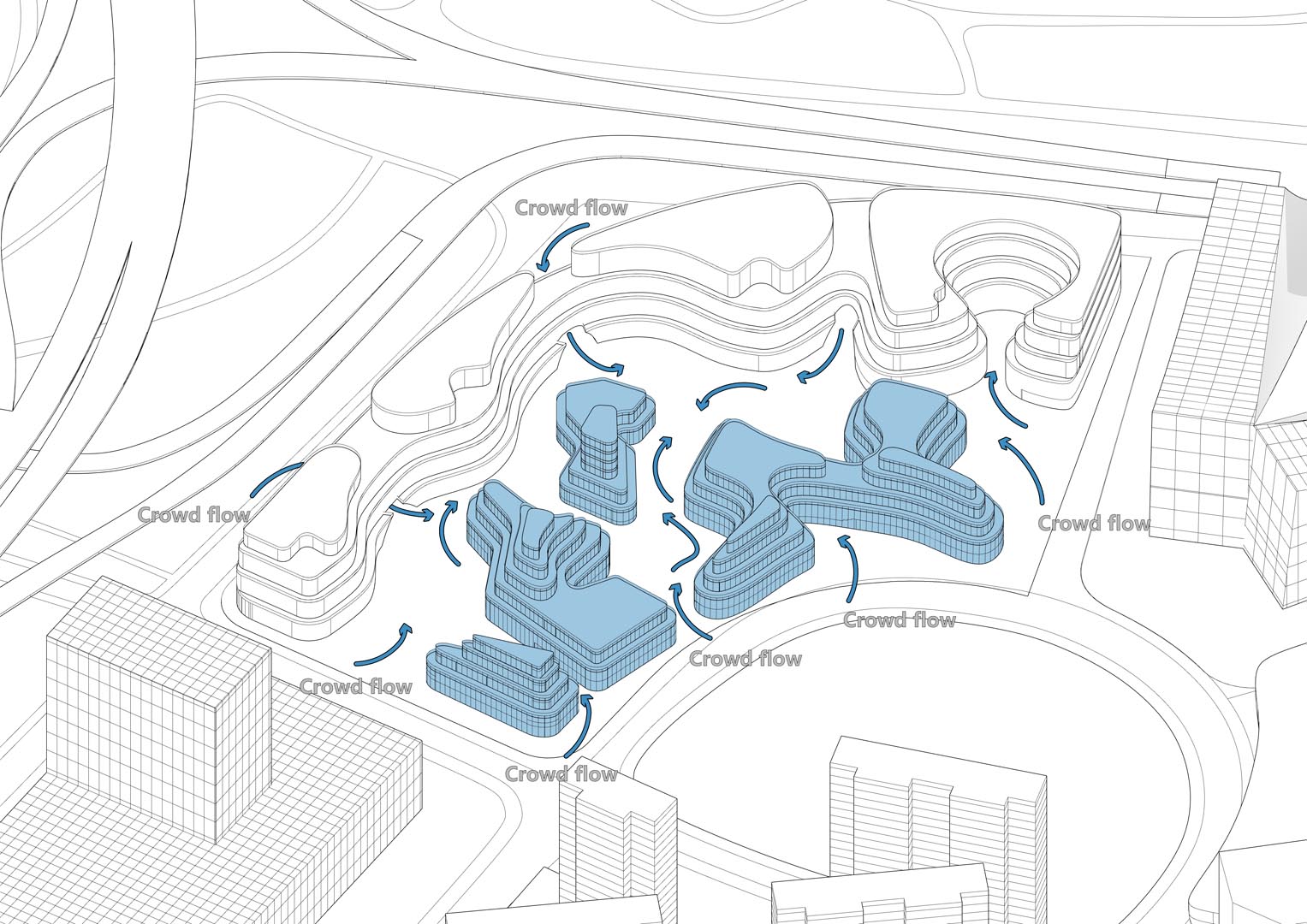
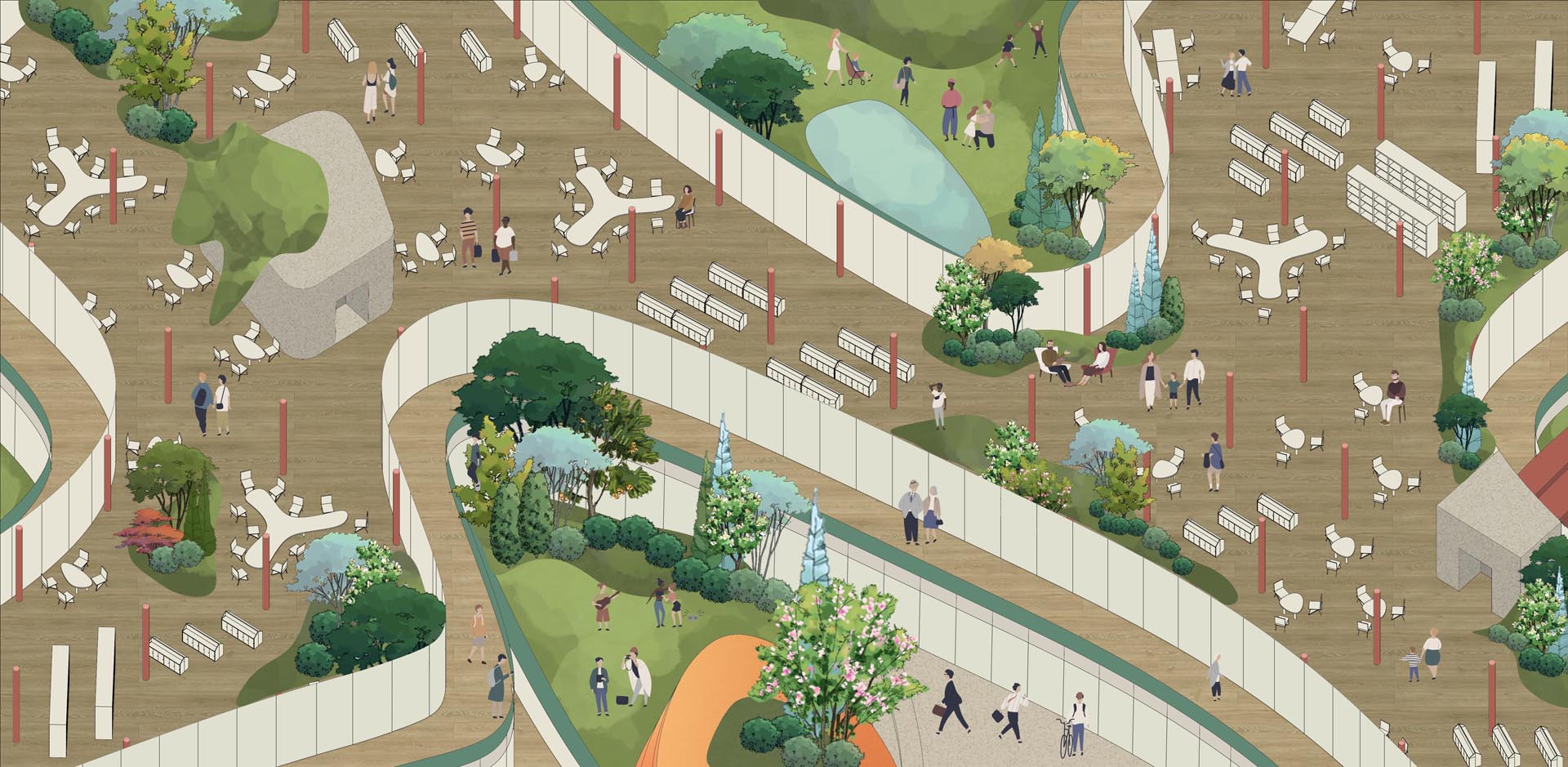
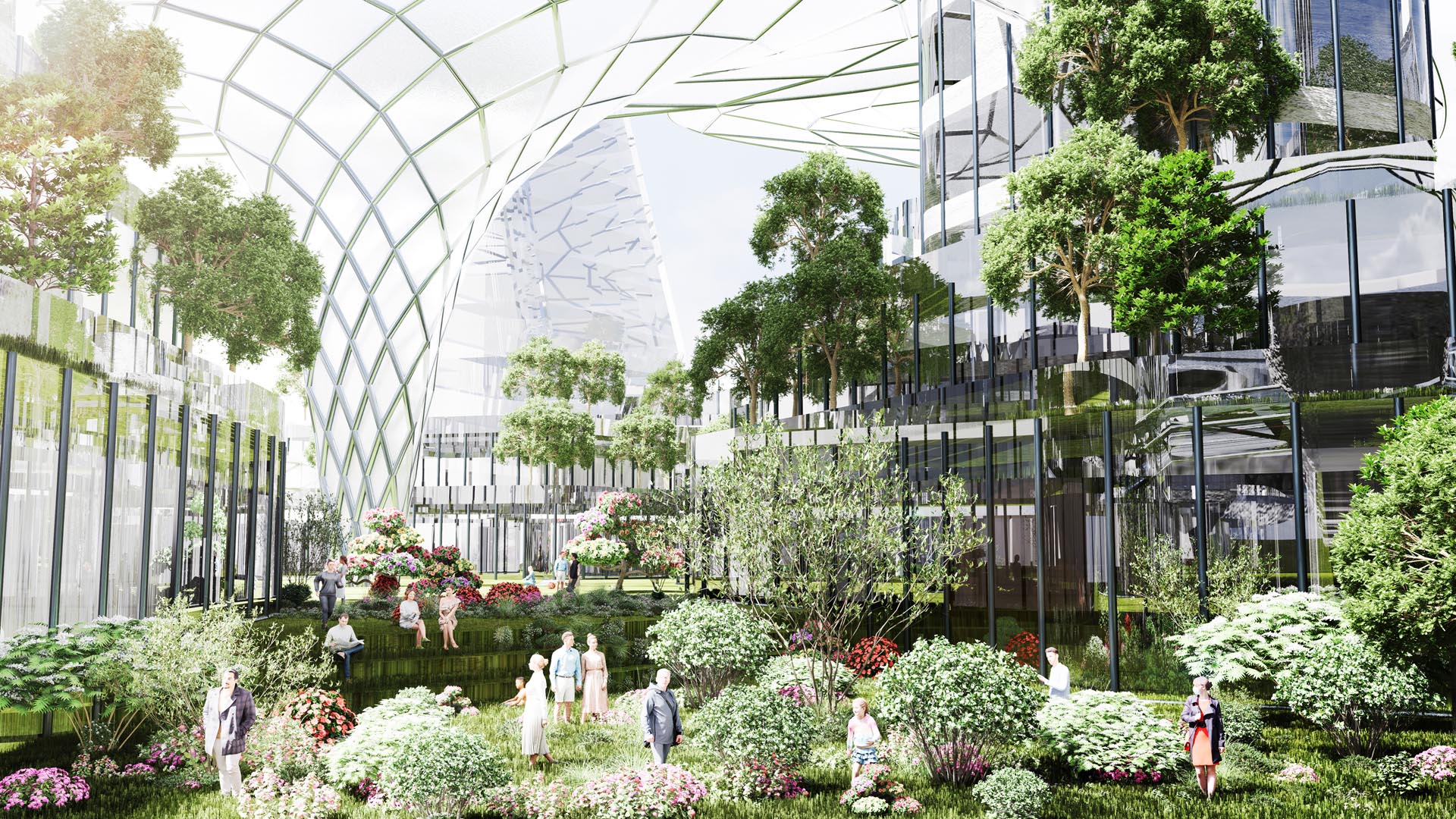
Book Paradise: A paradise centered around the acquisition and reception of various forms of knowledge, conceived as a new type of urban space based on typological studies of libraries. Book Paradise is regarded as an extension of traditional knowledge domains into natural spaces, combining urban think tanks with natural landscapes. Books are not only our spiritual nourishment, but we also magnify the forms of knowledge exchange to encompass the entire urban space. Through diverse formats of knowledge dissemination, interactive behaviors coalesce into a multifaceted urban platform for knowledge acquisition, enabling richer knowledge to reach more people. Ultimately, Book Paradise evolves into an urban think tank for spreading knowledge. In the overwhelming information overload of virtual spaces, the motivation to participate in library spatial activities has already dissipated. We need to rediscover the three distinctive urban spatial values that constitute Book Paradise:

  1. Breaking free from the constraints of the internet and returning to social public spaces.

  2. Diversified combinations of knowledge-learning spaces.

  3. A Book Paradise nurtured within nature.

Subscribe to our newsletter

The easiest way to know about our projects, exhibitions, publications, job openings, and more.